Best Time to Visit Daikoku PA:
When the Cars Actually Show Up
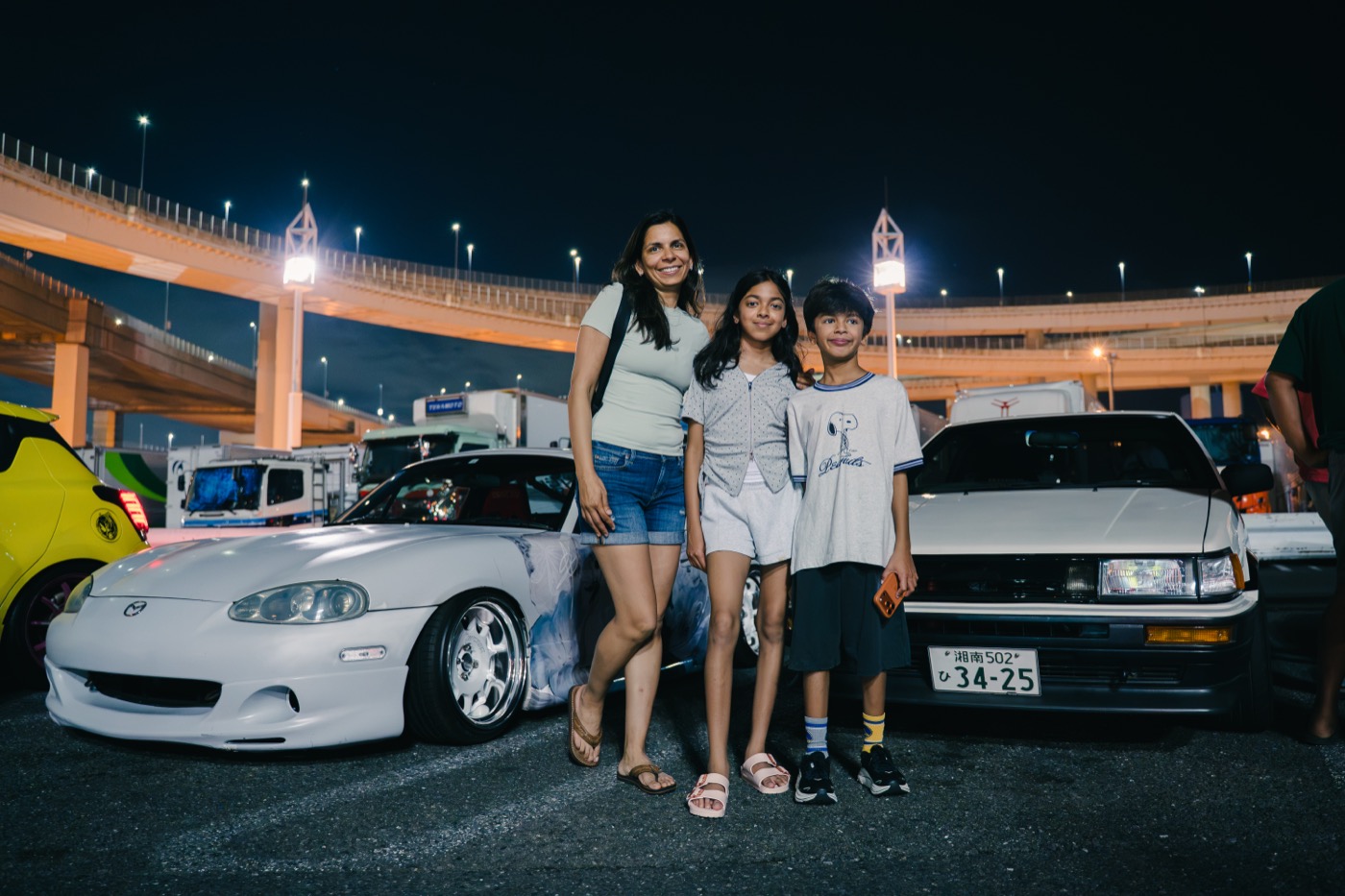
Almost every guide gives you the same line: "weekend nights are busy." True, but it doesn't tell you much. I've been photographing Daikoku PA almost every week for over three years, and the honest answer is that turnout is a puzzle of day, hour, season and — above everything — the weather. Here's how to read it, so you don't drive an hour to an empty parking lot.
⏱️ Short answer: For the fullest scene, come Friday or Saturday, 8:00 PM–midnight, on a dry night. For calm, clean photos, come Sunday morning, 6:00–8:30 AM. There is no official schedule — a clear weeknight can beat a rainy Saturday.
Why There's No "Schedule" at Daikoku
This is the part most articles skip. Daikoku PA is not an event. Nobody organises it, nobody posts a calendar, and nobody can promise you cars. It's a public highway rest area that enthusiasts adopted decades ago, and the gathering happens — or doesn't — based on how people feel that night. That's exactly why it's special, and also why you need to think in probabilities, not guarantees.
In my experience the turnout is driven by four things, roughly in this order of importance: the weather, the day of the week, the season, and whatever big event happened that weekend. Get all four lined up and you'll see the Daikoku from the videos. Get the weather wrong and none of the rest matters.
The Weather Rule (The One That Actually Matters)
If you remember one thing, remember this: rain empties Daikoku. These are people's cleaned, polished, often expensive cars — nobody brings an R34 out to sit in a downpour. I've watched a promising Saturday go from a packed lot to a handful of cars the moment the forecast turned. On the flip side, the first dry, mild night after a rainy spell can be unusually busy, because everyone's been waiting to get out.
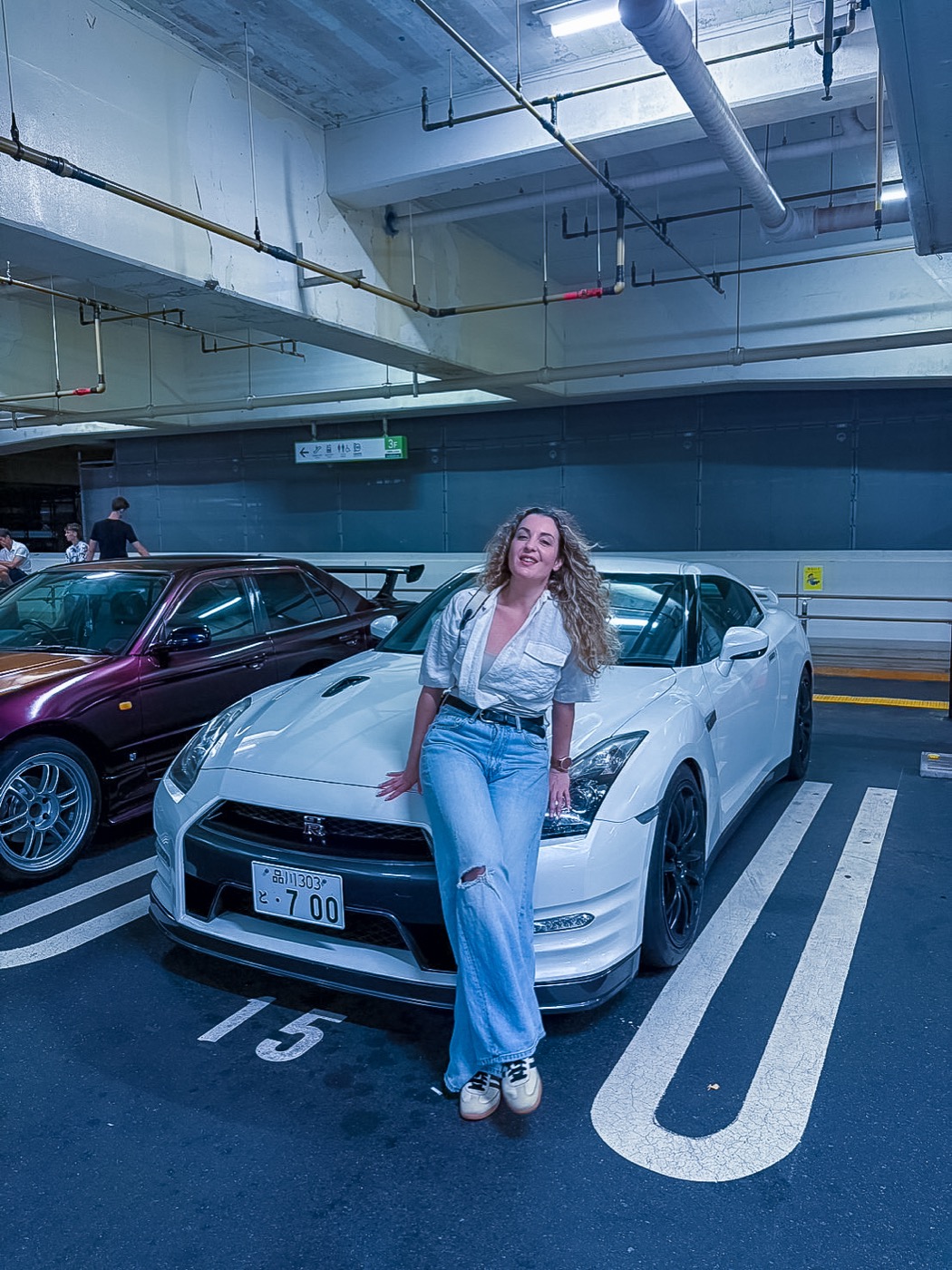
Before you commit, check the Yokohama forecast for that evening specifically — not the daytime. A dry evening is worth more than any "best day of the week." When people ask us whether tonight is worth it, the weather is the first thing we look at.
Best Nights, Ranked
Best Hours, Through the Night
🕗 The build-up starts around 8:00 PM, peaks roughly 9:00 PM to midnight, and can run into the early hours on a big weekend. Arrive by 8:30–9:00 PM to catch the lot filling rather than emptying.
Come too early — say, 6:00 PM — and you'll see a quiet rest stop wondering what the fuss is about. The scene needs the evening to build. The window I aim for as a photographer is roughly 9:00 to 11:00 PM: enough cars to be spectacular, before the very late clear-outs on the busiest nights. This is also exactly why our tour is timed to reach Daikoku for the 9:00–10:00 PM hour — it's the sweet spot.
One honest caveat: when a weekend night gets truly packed, security or police may start moving cars on and thinning the crowd, sometimes earlier than you'd expect. It's part of keeping a working highway rest area safe. Don't treat "midnight" as guaranteed — treat the 9–11 PM window as your reliable core.
Best Season to Visit
Spring (April–May) & Autumn (October–November) — the safest bet
Mild, dry evenings and strong, consistent turnout. If you're planning a trip around Daikoku, these two windows give you the best odds of a great night and comfortable weather for standing around outside.
Summer (June–August) — lively but humid
Big crowds, long light evenings and a great atmosphere, but Tokyo-area humidity is real and the rainy season in June can wash out nights. Watch the forecast closely.
Winter (December–February) — cold, but the clearest skies
Fewer people and genuinely cold nights, but often the crispest air and cleanest light of the year — my favourite season for photography, even if it's the least comfortable. Dress properly.
New Year & mid-January — the spikes
The days around New Year, and the weekend of Tokyo Auto Salon in mid-January, can bring unusually big gatherings as enthusiasts and visiting cars overflow toward Daikoku. If your trip lines up with these, it's worth prioritising.
My Honest Recommendation
If you get one shot at it: aim for a Saturday night in spring or autumn, arrive around 9:00 PM, and check that the Yokohama evening forecast is dry. If it's raining, don't force it — pivot to the next clear night, even if that's a weekday. And if your priority is photography rather than crowds, quietly swap to a Sunday morning and you'll thank yourself.
Whatever you do, come respectful: it's a public rest area and a private-car scene, not a show put on for visitors. No revving for the camera, keep noise down, ask before climbing on anything, and it'll welcome you back. If you want the deeper background on the place itself, read our guide to what Daikoku PA is and why it's famous.
Skip the Guesswork — Go on a Good Night
We're at Daikoku constantly, so we read the weather and the scene for you and time the visit to the peak. Our 3-hour night tour picks up in Shibuya and puts you at Daikoku PA for the 9:00–10:00 PM window in a real GTR, Supra, RX-7 or Skyline. No license needed.
Book Your Tour — From ¥15,000/personFrequently Asked Questions
Related Articles
→ Daikoku PA Field Notes: 50 GPS-logged nights
→ Is Daikoku PA Open? The closure rules
→ What is Daikoku PA? Tokyo's Most Famous JDM Car Meetup